
2026-09-18 · Tom Harlan
Why Do Rodents Keep Coming Back After Trapping?
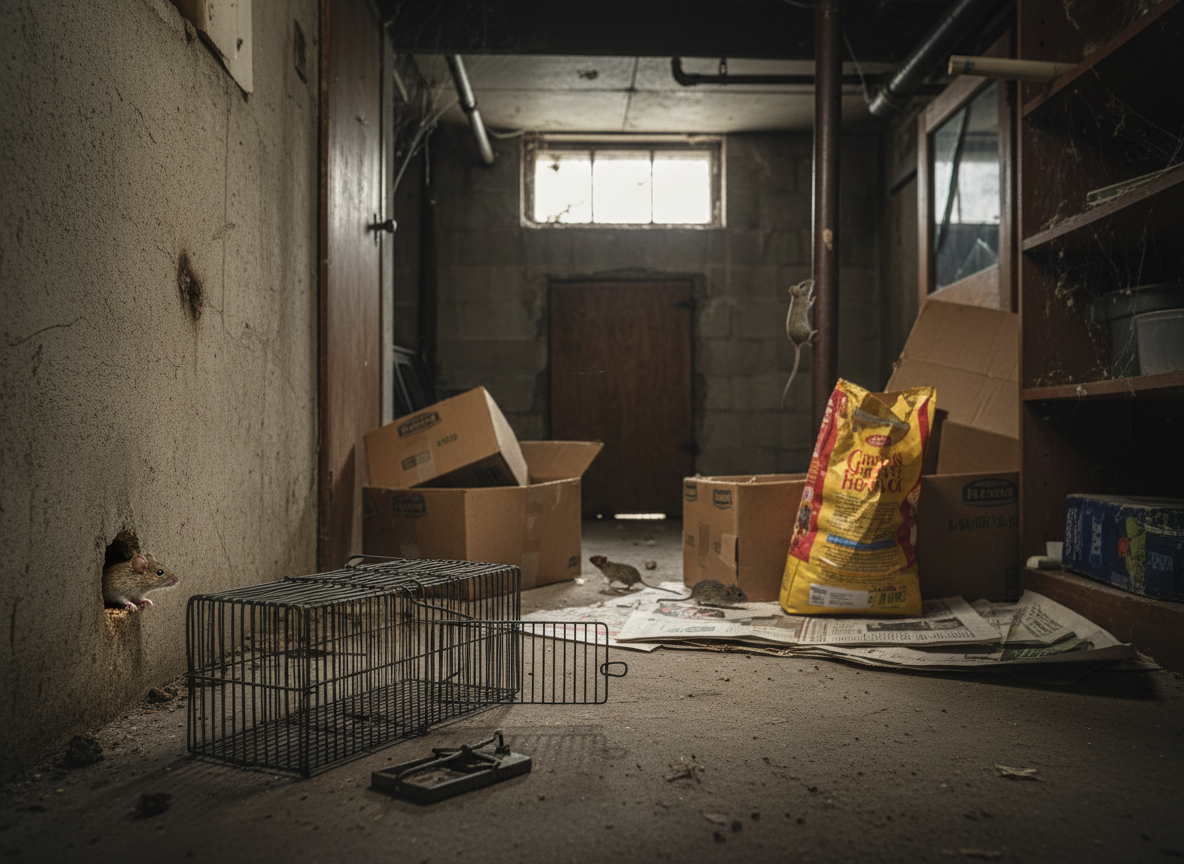
Rodents keep coming back after trapping because the entry points that let them inside remain unsealed, so new animals replace the ones removed within days or weeks.
Entry Points Stay Open in Older Joplin Homes
Downtown Joplin and North Joplin contain many homes built before 1950 with settled foundations, cracked brick, and gaps around utility lines. These openings measure as small as a quarter inch, which both mice and rats use repeatedly. Severe spring storms common in the humid subtropical climate loosen siding and create fresh holes near rooflines. When only traps are set, the next wave enters through the same routes that were never blocked. In Jasper County, properties near Schifferdecker Park see extra pressure from field rodents moving toward structures after heavy rains flood burrows. Without sealing, trapping cycles repeat every few weeks.
Food and Shelter Keep Drawing Replacements
Even after initial captures, unsecured trash, pet food left outdoors, and bird feeders within 20 feet of the house continue to signal a reliable resource. In neighborhoods like Murphysburg and Rosedale, older garages and sheds provide dry shelter during the wet spring season. Rodents travel from nearby yards in Webb City or Carthage along fence lines and utility easements. A single female house mouse can produce up to 10 litters per year, so any missed food source quickly rebuilds the population. Trapping removes individuals but does nothing to remove the reason they chose that address.
Weather Patterns Restart the Cycle Each Season
Joplin's spring storms push rodents indoors when soil saturates and outdoor cover disappears. Once temperatures stabilize, activity drops until fall when cooling drives them back toward heated spaces. Homes near Route 66 Carousel Park and the Joplin Museum Complex often sit on lots with mature trees whose roots crack foundations over time. These seasonal shifts mean a trap-only approach catches the current group but leaves the building open for the next migration. Properties in Iron Gates and Blendville South face similar patterns due to proximity to drainage ditches that rodents follow during wet periods.
Why Exclusion Must Come Before or With Trapping
Sealing gaps with steel wool, metal flashing, and proper door sweeps stops the flow of new animals. This step targets the 1/4-inch to 1/2-inch openings typical in Joplin's older housing stock. Once access is blocked, any remaining rodents can be removed without constant replacements arriving. Readers dealing with repeated activity often benefit from learning the differences in behavior between species on the page Mice vs Rats: How to Tell Which Rodent You Have. Addressing the full picture also covers situations where noises continue at night; see Why Do I Hear Scratching in My Walls at Night? for next steps. For homes already showing signs of repeated entry, targeted work on recurring rodent infestation focuses on permanent barriers rather than ongoing trap resets.